


Ningbo has a rich culinary tradition that has been shaped by its geography, by the sea, the availability of fresh seafood and its long-standing customs. The city altogether takes food lovers to the authentic side of food from eastern China with a range of tasty local dishes as well as street food full of flavour.
Try Ningbo Tangyuan
Ningbo Tangyuan remains one of the city’s most iconic traditional dishes, being mainly popular during festivals or family reunions. The chewy rice balls, the main ingredient of the dish, are traditionally filled with sesame paste to give a sweet and nutty taste. Many people in Chinese culture consider this dish a symbol of reunion, happiness, and good fortune.
Taste Fresh Ningbo Seafood Specialities
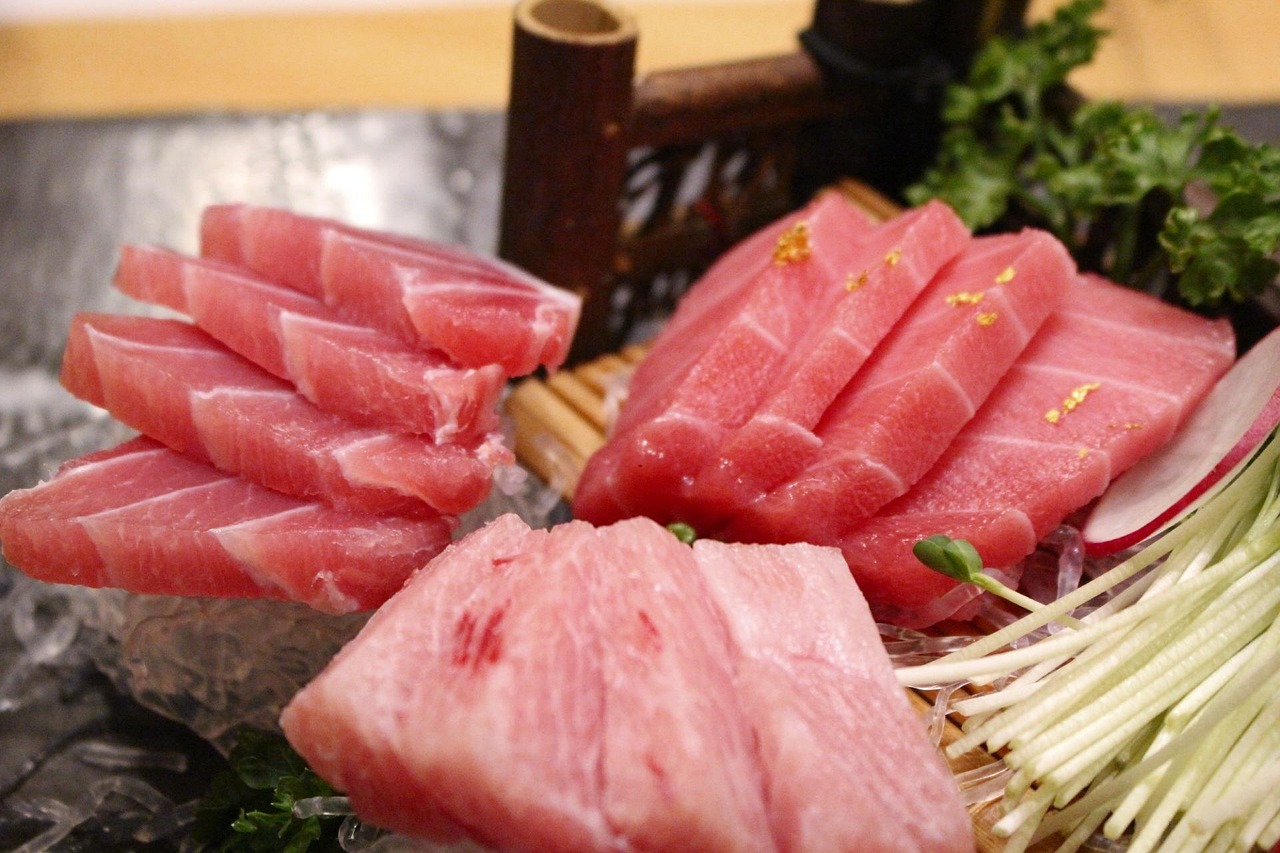
As a major coastal city, Ningbo is renowned for its abundance of fresh seafood. Local restaurants often serve delicacies such as steamed fish, crabs, shrimp, and shellfish prepared using simple methods that preserve their natural flavours. The city’s strong connection to the sea makes seafood an essential part of the local culinary experience. Travellers looking for a quality Ningbo restaurant experience can explore a variety of venues showcasing authentic regional cuisine and fresh local ingredients. Properties such as Pan Pacific Ningbo offer convenient access to the city’s vibrant dining scene while providing excellent hospitality.
Sample Ningbo Rice Cakes (Nian Gao)
Ningbo rice cakes, or Nian Gao, have been a local food for a very long time across the region. These sticky rice cakes can be stir-fried, dropped into soup, or eaten with vegetables and seafood. Their chewy quality and adaptability have ensured them a permanent place in the hearts and kitchens of local people over the years.

Enjoy Traditional Ningbo Steamed Dishes
In Ningbo cuisine, steaming is a frequently used method of cooking that not only helps to preserve the freshness of the ingredients but also their natural flavours. It is quite common to see seafood, seasonal vegetables, and very light seasonings used in popular steamed dishes instead of heavy sauces. This culinary approach is a manifestation of the local people’s inclination toward harmonised tastes and top-notch ingredients.