

The Sweet Side of Kalutara: Why Mangosteen Defines the Town

In Kalutara, the air doesn’t just smell of salt: it smells of ripening purple gold. While many coastal towns offer sun and sand, this specific region holds a geological secret that makes its mangosteen the most sought-after in the country.
The Mystery of the “Kalu” Soil
The town’s name, Kalutara, refers to the “Black River”. The sediment deposited by the Kalu Ganga creates a unique soil profile rich in specific minerals. Unlike the sandy soils of nearby beaches, this dense, nutrient-heavy earth forces the trees to produce a higher concentration of natural sugars, giving the fruit a signature “honey-tart” kick you won’t find elsewhere.
The 100-Pound Royal Challenge
A popular legend suggests Queen Victoria once offered a reward of 100 pounds sterling, a fortune at the time, to anyone who could bring her a fresh mangosteen from the colonies. Because the fruit is so delicate and ferments quickly, it rarely survives the long sea voyages. Today, guests at any premium Kalutara hotel can enjoy this “forbidden” royal luxury just minutes after it is plucked.
Nature’s Mathematical Perfection
If you flip a mangosteen over, you will see a small, woody “flower” pattern on the bottom. Here is a local secret: the number of petals on that bottom stamp always matches the exact number of white segments inside. It is one of nature’s few guaranteed spoilers. If you’re staying near Avani Kalutara Resort, head to the local roadside stalls to put this theory to the test.
The Cooling “Yin” Property
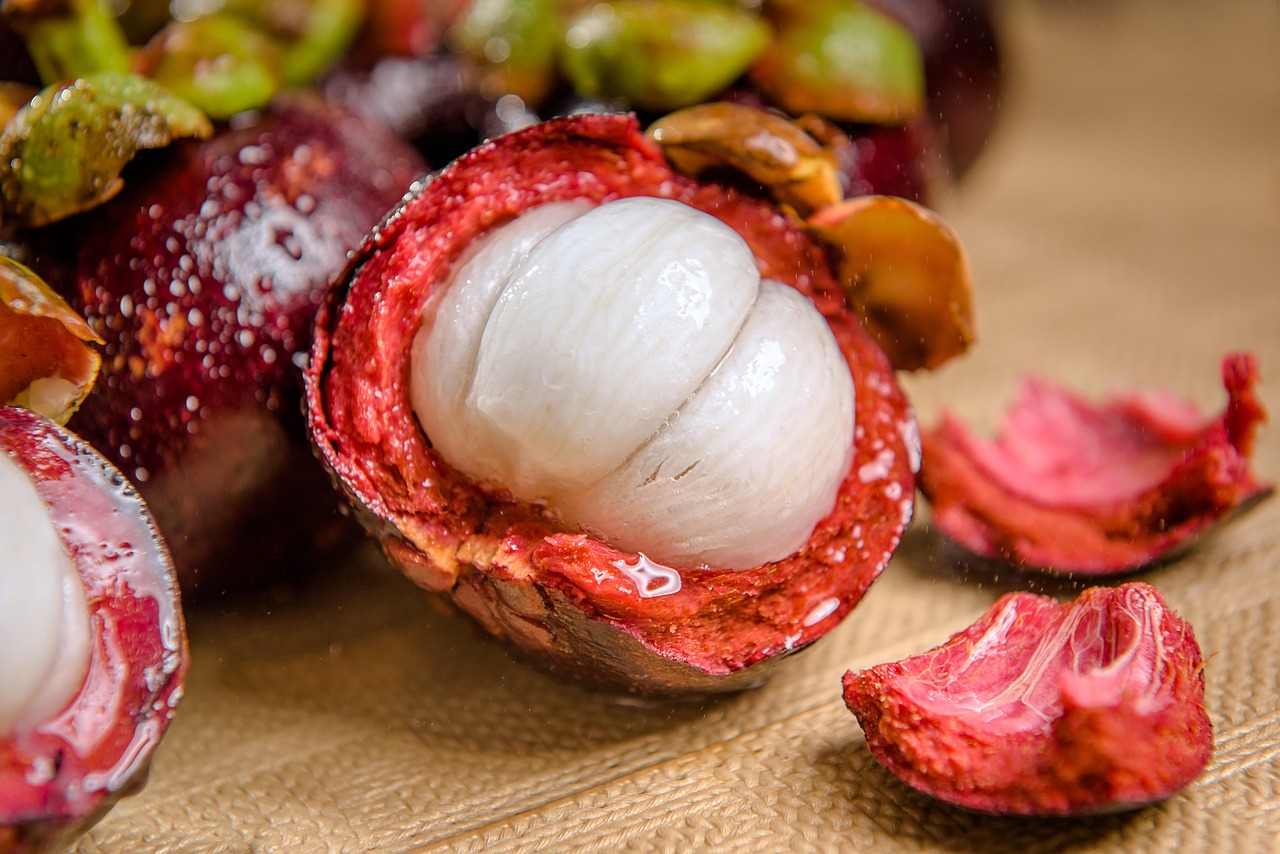
In traditional local medicine, mangosteen is considered a “cooling” fruit. It is often paired with the “heaty” durian to balance the body’s internal temperature. Beyond the taste, the purple rinds are dried and used in ancient remedies to treat skin infections, thanks to their incredibly high concentration of xanthones.