


Taste the Future: Your Guide to Zero-Waste Cocktails and Farm-to-Table Living

Reducing waste in hospitality is a crucial pillar of modern dining, merging zero-waste cocktails with the farm-to-table ethos to create a circular economy. This philosophy prioritises responsibility and results in intensely flavourful and complex results.
Nose-to-Tail, Root-to-Stem: Maximising Ingredient Potential
Low-waste cooking utilises the entire ingredient. Chefs practise root-to-stem techniques, turning vegetable trimmings into stocks or pickles. Bartenders use upcycling, transforming citrus peels into oleo saccharum (rich syrup) for cocktails. This dedication ensures full flavour extraction and reduces landfill contributions.
Beyond the Plate: Sustainable Sourcing and Supply Chain
True sustainability starts with purchasing. Direct partnerships with local farmers reduce transportation waste and packaging. Buying in bulk and using returnable containers streamlines the supply chain. This ethical sourcing mirrors the responsible operations seen at pioneering resorts like Anantara Golden Triangle Elephant Camp & Resort.
The Bar’s Byproducts: Creative Spirit Infusions and Garnishes
Zero-waste mixology uses kitchen scraps for handcrafted drinks. Herb stems, coffee grounds, and fruit cores make potent, house-made tinctures and bitters. Swapping high-waste garnishes for dehydrated fruit slices or flowers is a simple, effective technique. This mindful practice is a growing standard for venues, particularly those located in vibrant tourist regions, like Chiang Rai hotels often are.
Closing the Loop: Composting, Fermentation, and Preservation
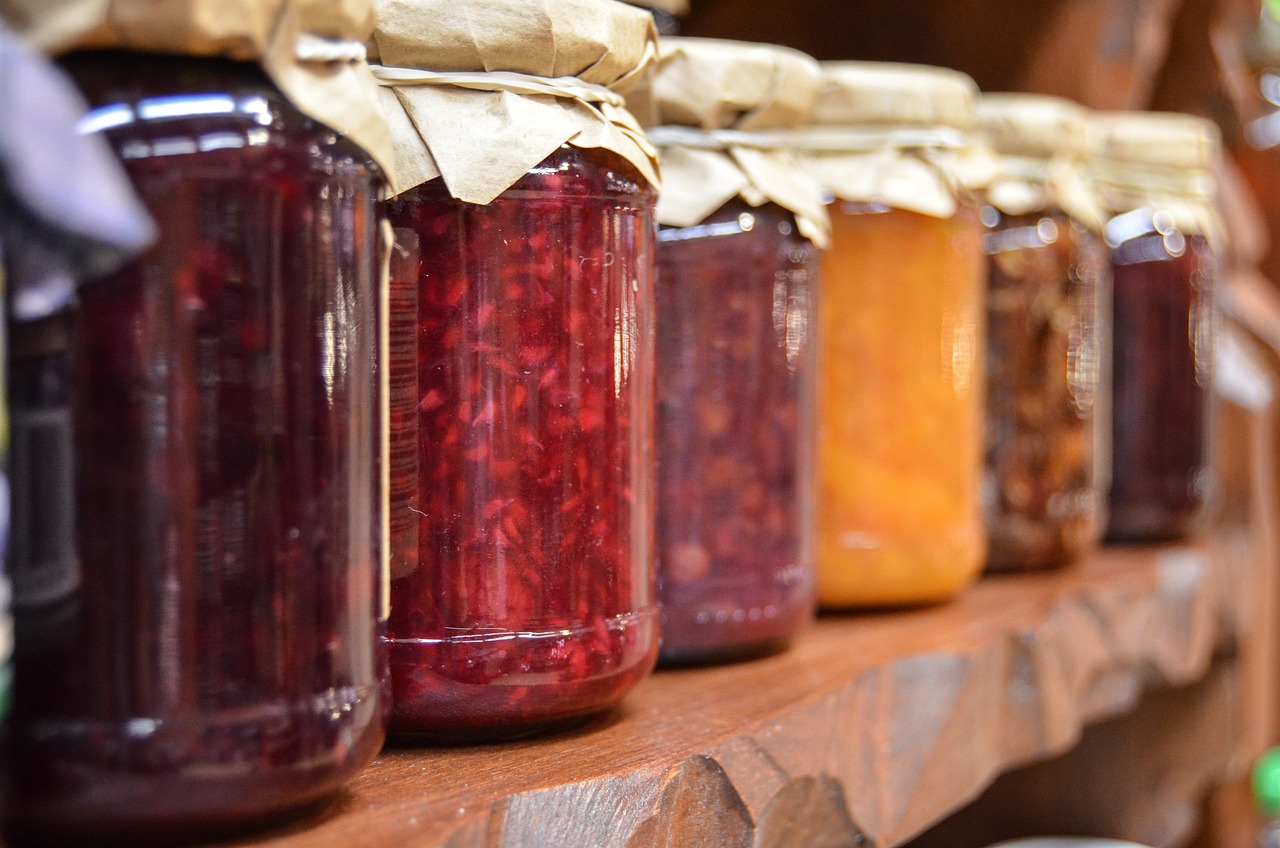
Smart kitchens manage waste by preserving perishable ingredients. Overripe fruit is fermented into acidic shrubs and vinegars for the bar. Unavoidable organic matter is sent to composting systems, converting scraps into fertiliser. This approach closes the resource loop, minimising discarded food.