


Sri Lanka is steadily earning its place on the global food map. As travellers discover the island’s breathtaking landscapes, they are also being introduced to a culinary tradition that is bold, layered, and deeply connected to the country’s geography and culture. Sri Lankan cuisine is not simply a variation of neighbouring flavours but rather a distinct culinary identity worthy of recognition in its own right.
A Cuisine Unlike Any Other in the Region
Sri Lankan food is often compared to Indian cuisine, but the similarities are only surface-deep. While both cuisines share certain spices and cooking techniques, Sri Lankan cooking relies heavily on coconut milk rather than dairy, creating dishes that are richer yet lighter on the palate. The cuisine is also known for its intense heat, with fresh green chillies appearing in everything from curries to sambals. Visitors who have experienced, for instance, fine dining in Tangalle at properties such as the Anantara Peace Haven Tangalle Resort will quickly discover how these bold, traditional flavours can be transformed into something sophisticated and contemporary.
Rice, Curry, and the Art of the Shared Meal
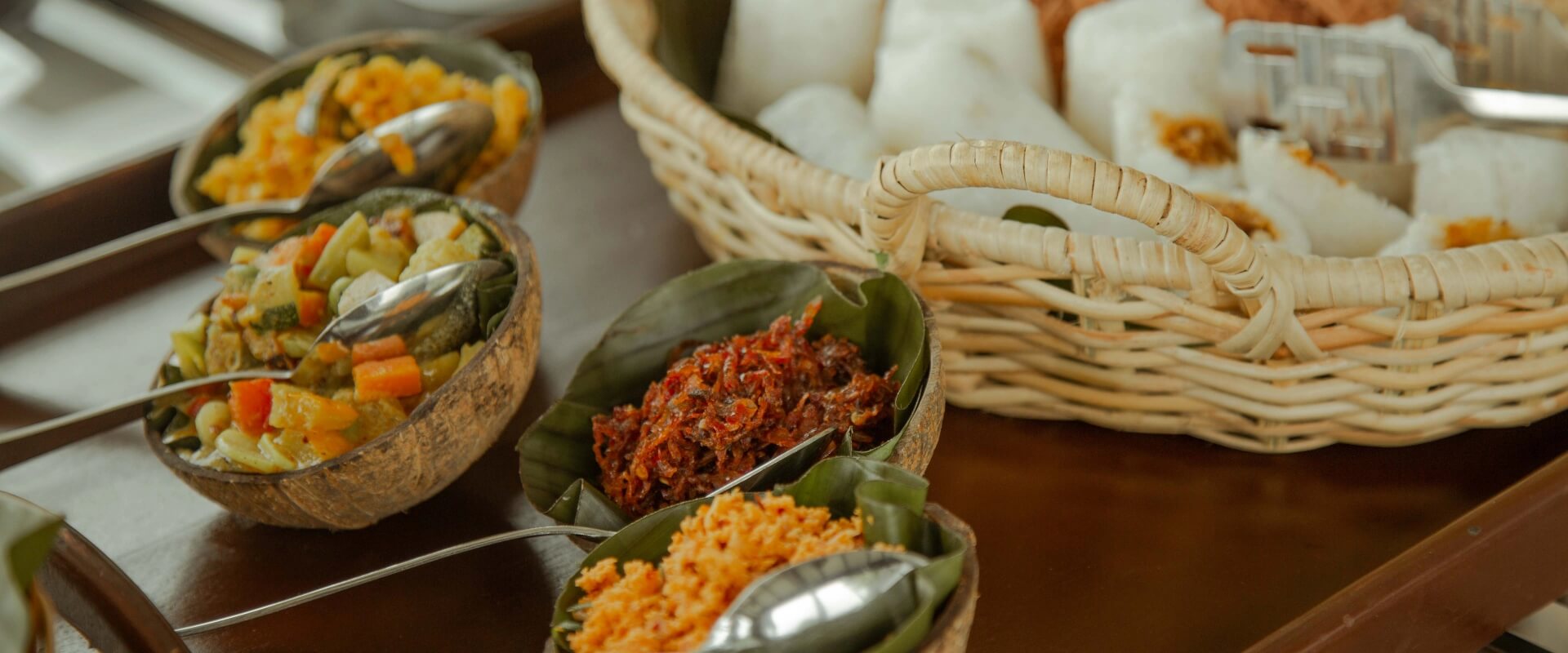
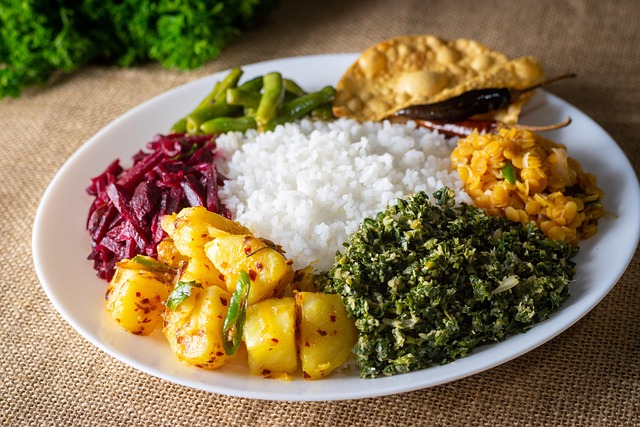
At the heart of Sri Lankan cuisine is its most iconic meal, which is rice and curry. A generous serving of steamed rice is accompanied by an assortment of dishes, often including fish or chicken curry, dhal, vegetable curries, and spicy sambals. Each plate becomes a personalised combination of flavours and textures, reflecting the communal and generous nature of Sri Lankan dining culture.
Breakfast Begins with Hoppers
Breakfast in Sri Lanka is anything but ordinary. Hoppers, bowl-shaped pancakes made from fermented rice flour and coconut milk, are among the country’s most beloved morning dishes. Egg hoppers, filled with a softly steamed egg, offer a savoury start to the day, while sweet variations paired with palm syrup and yoghurt provide a gentler alternative.
A Spice Pantry Rooted in the Land
Sri Lanka’s culinary identity is inseparable from its spices. The island is the birthplace of world-renowned Ceylon cinnamon, prized for its delicate aroma and complexity. Alongside cinnamon, ingredients such as pandan leaf, tamarind, cardamom, turmeric, curry leaves, and Maldive fish come together to create the rich, unmistakable flavours of Sri Lankan cuisine.