

Sourcing Sustainably: How Ocean-to-Table Dining Keeps the Baa Atoll Beautiful

True luxury dining now means knowing your meal supports the stunning environment that surrounds you. In the Maldives, this connection between plate and planet is crucial, especially within the protected UNESCO Biosphere Reserve of Baa Atoll. Here is a look at how resorts are making their food choices matter.
The UNESCO Mandate and the Plate
Baa Atoll holds a special UNESCO Biosphere Reserve status. This designation means conservation is key, even in resort operations. The focus is on sourcing food that protects the delicate coral reefs and marine life. Visitors to island properties can taste paradise responsibly.
Local Fishermen: Supporting Community and Cuisine
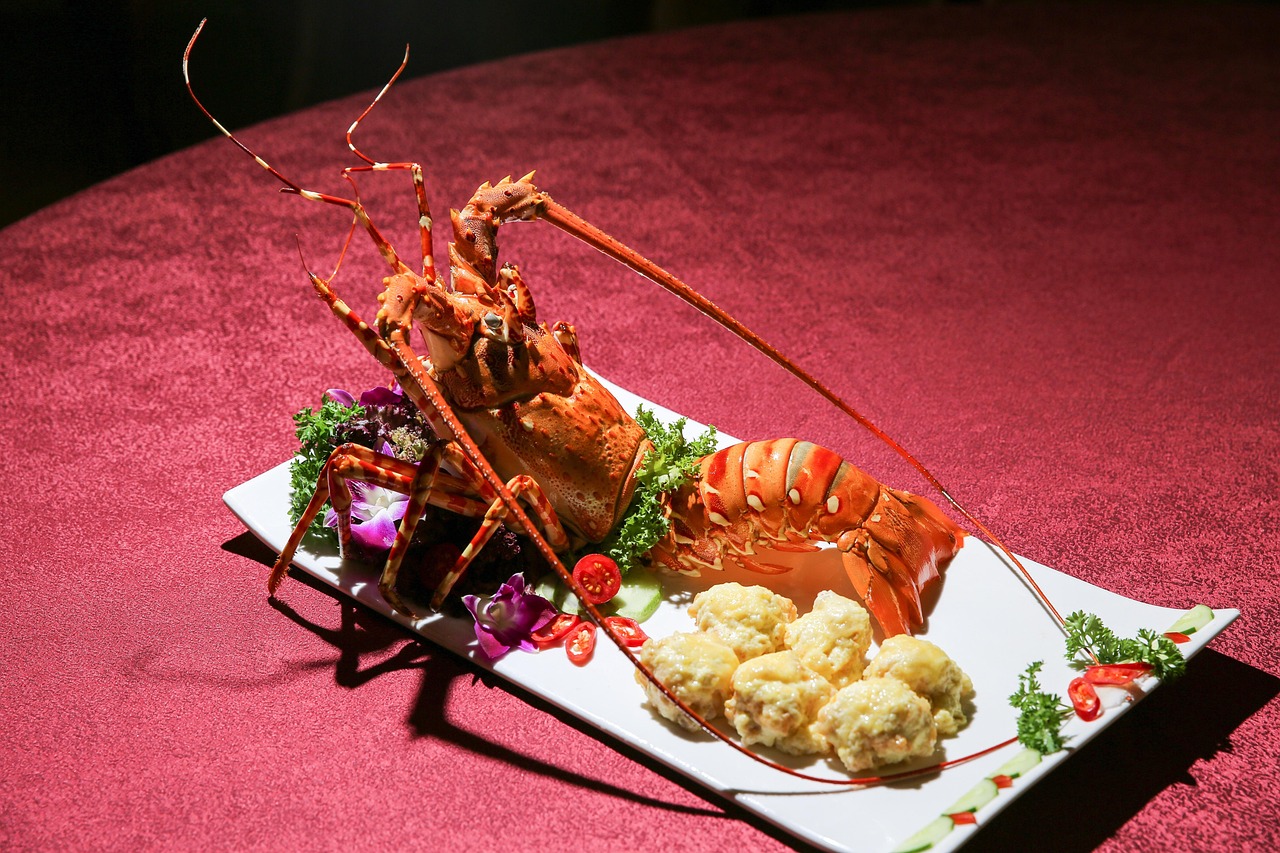
Many luxury accommodations, such as Dusit Thani Maldives, prioritise working directly with nearby fishing communities. By partnering with local fishermen who practise traditional, low-impact techniques, the best restaurants in Maldives ensure their fresh catch is both high-quality and ethically sourced. This approach supports island livelihoods and minimises stress on the ocean.
Garden-to-Table, Not Just Ocean-to-Table
Sustainability extends beyond the water. Some resorts cultivate their own organic chef’s gardens. This is where chefs hand-harvest fresh ingredients, like herbs, fruits, and vegetables. This garden-to-table method slashes reliance on imported goods and greatly cuts down on carbon emissions from air travel, while guaranteeing peak freshness.
The Menu’s Promise: No Vulnerable Species
Sustainable dining is defined as much by what is excluded as what is served. Resorts commit to environmental protection by banning vulnerable species from their menus. This policy ensures that key marine species can thrive. For the visitor, this choice reflects a resort’s quiet promise made to future generations.