


The Japanese tea ceremony, known as chanoyu or sado (literally “the way of tea”), transcends the simple act of drinking tea. It’s a meticulously crafted ritual steeped in history, tradition, and Zen philosophy. Every detail, from the preparation to the etiquette, is imbued with significance, offering a glimpse into Japanese culture and a path towards mindfulness.
A Journey Through Time:
The origins of the tea ceremony can be traced back to the 9th century when tea was first introduced to Japan from China. Over the centuries, it evolved from a social gathering for the elite into a refined art form, heavily influenced by Zen Buddhism. The emphasis shifted from mere consumption to mindfulness and the appreciation of beauty in simplicity.
The Art of Wabi-Sabi:
Wabi-sabi, a core aesthetic principle in the tea ceremony, celebrates the beauty of imperfection and impermanence. The tea room, known as a chashitsu, is often a small, rustic space, designed to foster intimacy and focus. Imperfect yet elegant tea utensils, meticulously cared for over generations, tell stories of time and tradition.
The Ceremony Unfolded:
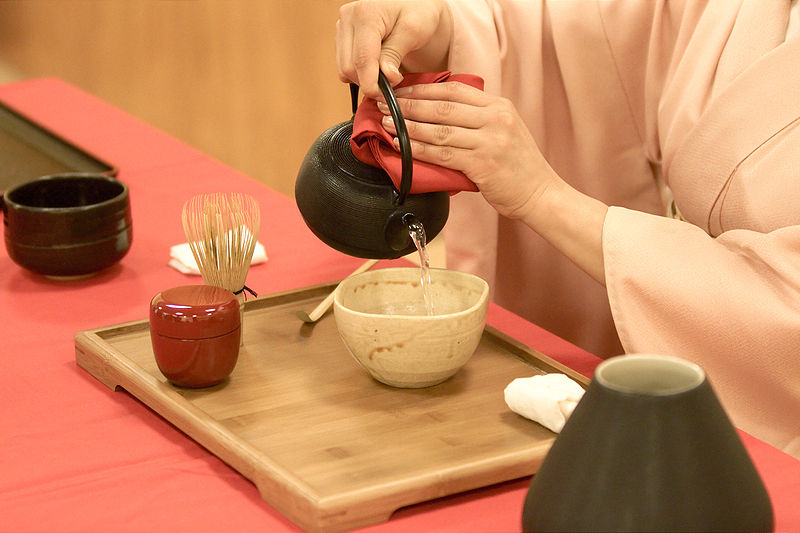
A typical tea ceremony involves a host and guests participating in a series of highly choreographed steps. The host prepares the matcha, a finely powdered green tea, with meticulous care, each movement imbued with grace and purpose. Guests cleanse themselves symbolically before entering the tea room, signifying a transition into a space of tranquillity. Every gesture, from the way the tea bowl is held to the order of sipping, is governed by etiquette.
More Than Just Tea:
While the matcha itself holds significance, the true essence of the tea ceremony lies in the shared experience. It’s a time for mindful appreciation, for slowing down and fostering a sense of harmony with oneself and the present moment. Conversation flows organically, punctuated by moments of quiet contemplation.
Experiencing the Ceremony:
For visitors to Japan, experiencing a tea ceremony offers a unique window into Japanese culture. Many tea houses and cultural centres offer opportunities to participate in a ceremony or observe a demonstration. While some level of formality exists, remember, that the core of the ceremony lies in appreciating the beauty of the ritual and the moment of shared experience. You can find a great family hotel in Osaka, that’s closer to all of the attractions this city has to offer; like Travelodge Honmachi Osaka.