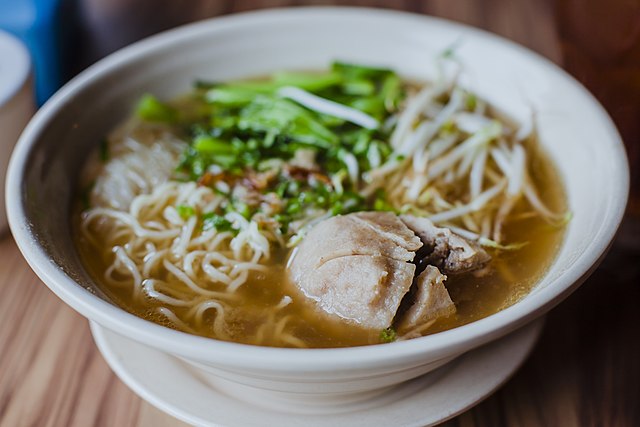



Flowing through the heart of Bangkok, the Chao Phraya River is more than just a scenic waterway—it is a lifeline that has shaped the city’s culture, history, and cuisine. Along its banks, a rich tapestry of flavours awaits, from bustling food markets and traditional riverside eateries to fine dining establishments offering panoramic views – influenced by Thai, Chinese, and Southeast Asian culinary traditions.
The Influence of the River
The fertile banks of the Chao Phraya provide fresh ingredients that form the backbone of many local dishes, while the river itself has historically supported the fishing of river prawns, a regional delicacy. The flow of trade and migration along the river has also fostered a rich cultural fusion.
Signature Dishes
Classic offerings include Pad Thai, a stir-fried noodle dish with shrimp, tofu, and tamarind sauce, and Tom Yum Goong, a spicy and sour shrimp soup infused with lemongrass, kaffir lime leaves, and chilli. Green curry and Red curry showcase Thailand’s rich coconut-based sauces with meat or vegetarian options, while Massaman curry offers a milder, nutty flavour profile. These are found anywhere, from places like the Anantara Riverside Bangkok Resort, to a stall in the alleyways of the city.
Experiences Along the River
Visitors to the Chao Phraya River can enjoy a range of dining experiences to suit every taste. Riverside restaurants, such as The Deck by the River, provide traditional Thai dishes accompanied by scenic views of the water. Fine dining establishments, including Le Normandie at the Mandarin Oriental, offer gourmet French cuisine alongside vegetarian and non-vegetarian options. For the truly adventurous, try some Bangkok river cruise dining for a mix of it all.
Markets Within
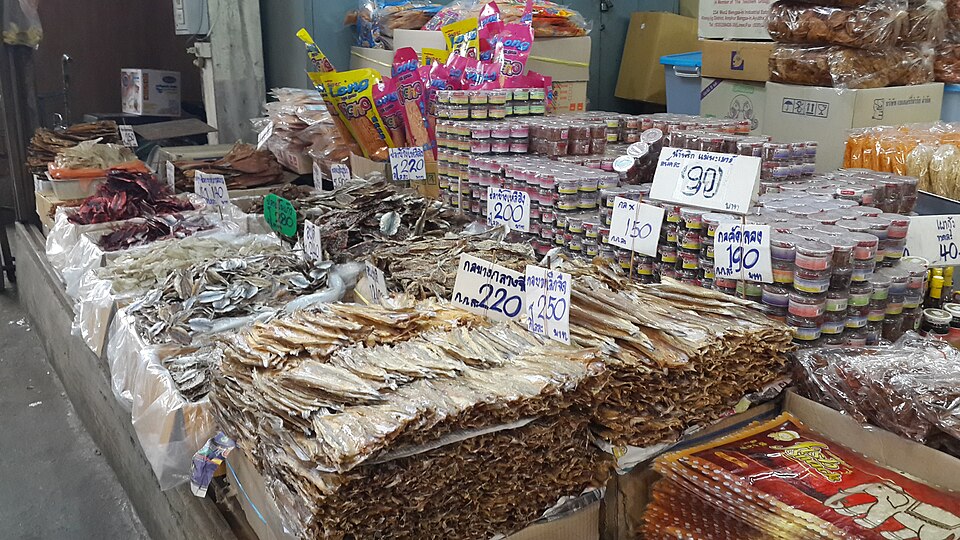
Exploring food markets along the Chao Phraya River offers a window into Bangkok’s culinary and cultural history. The Tha Tian Market, located near the Grand Palace, is famous for its dried seafood and wholesale goods, highlighting its historical significance as a trading hub during the Rattanakosin era.